Trademarks in the Restaurant and Franchise Sector
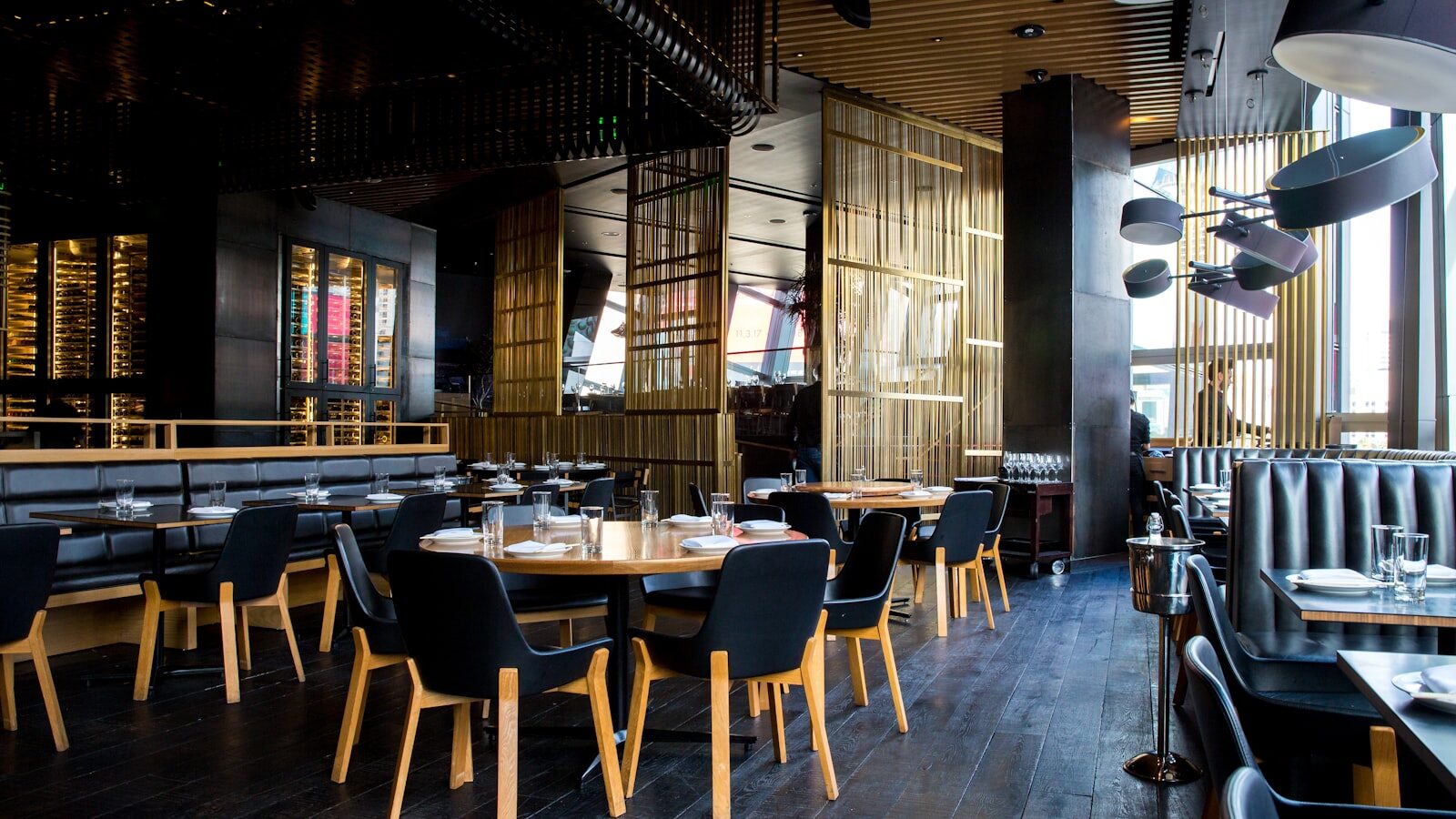
In the restaurant world, the name alone is not enough. The decor, the signature dish, the operating model, even the background music — all are commercial assets you can legally protect. This is what separates an ordinary restaurant from a "franchise generating millions" replicable in every city.
Core Classes for Restaurants
Class 43 (Restaurant & Café Services): the main class for any restaurant activity. Protects the name as a service.
Class 30 (Prepared Foods): if you sell any of your products packaged (sauces, spice blends, packaged desserts).
Class 35 (Advertising & Business Administration): if you plan to grant franchises (you are selling "the right to operate the restaurant" — a commercial service).
Protecting Decor and Experience (Trade Dress)
Unique decor, storefront shape, menu design, even staff uniforms — all elements of "trade dress" that are legally protectable.
Proof: documenting design with dated professional photos, and registering creative designs as industrial designs with SAIP.
Secret Recipes and "Trade Secret" Protection
Unique recipes (spice blends, secret sauce, preparation method) are protected as "trade secrets" — not registered but documented and wrapped in strict confidentiality procedures.
Confidentiality clauses in employment contracts, encryption of recipes in a secure location, restricted access to a defined few — all legal evidence that the secret was really "secret."
The Legal Structure of a Franchise Model
Franchising is not just an agreement. It is a contract system covering: right to use the mark, quality obligations, fees (initial fee + royalties), exclusive territory, termination conditions.
Every component must be precisely drafted. A poorly-drafted franchise contract is a disaster: the brand owner may lose control, or find themselves liable for a franchisee's mistakes.
Franchise Pricing: How Is It Legally Set?
Initial fee (one-time): typically SAR 100,000–500,000 for mid-size restaurants. Covers knowledge transfer and training cost.
Royalties (recurring): 4–8% of monthly revenue. Covers the right to continued mark use.
Marketing fund (shared advertising): an additional 1–3% to fund unified ads.
Protection Against "Imitation Franchises"
A common phenomenon: a company fully copies a successful restaurant model (name, decor, menu) and sells it as its own franchise. This is compound infringement requiring specialized legal action.
Prevention: register every registrable element, document creations through SAIP deposits, sign confidentiality contracts with employees and partners.
Franchise Growth Strategy
Before selling the first franchise: ensure the mark is registered in every necessary class, the decor is documented, recipes are secured, and the Operations Manual is ready and copyright-protected.
At Rights we have helped several Saudi restaurant chains build a legally sound franchise model viable locally and internationally.
Related articles


Ready to register or protect your assets?
Get in touch — your first consultation is free.
Contact via WhatsApp Email Us