Open Source Software Licensing: What You Must Know Before Use
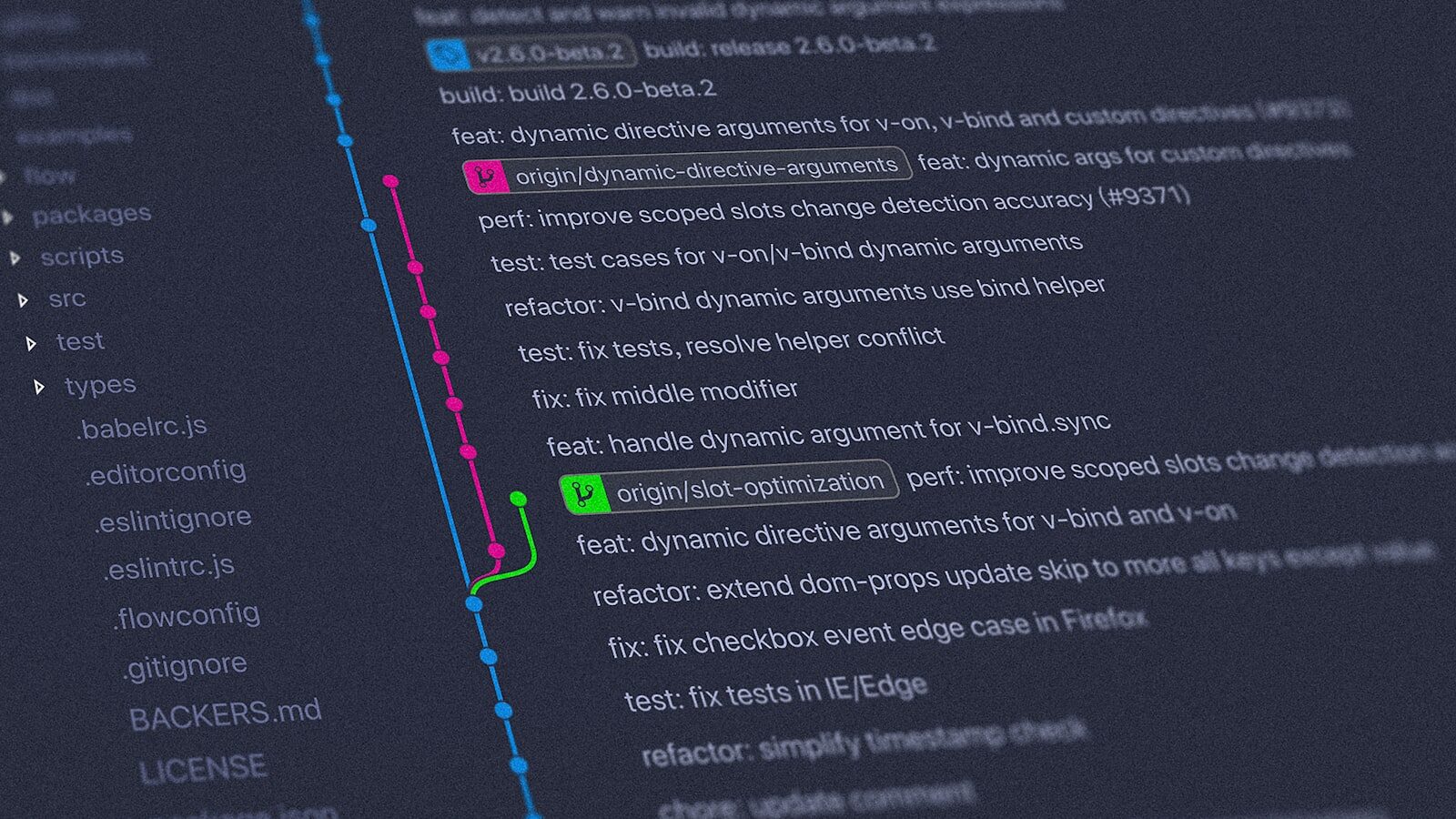
Every modern program relies on dozens of open source libraries. Many developers assume "open" means "free without obligation." Reality: every license has terms, and violating them may force you to disclose your company's code entirely.
Basic License Categories
Permissive: MIT, Apache 2.0, BSD. Free use, including in closed-source commercial products. One condition: include the original copyright notice in product documentation.
Strong copyleft: GPL v2, GPL v3, AGPL. If used in a program, you must open-source your entire program under the same license. This is "the big trap" for commercial companies.
Weak copyleft: LGPL, MPL. Allow linking open code with closed code, provided technical separation.
GPL — The Most Dangerous Trap
Using a GPL library in a commercial product = obligation to open all of your product code. Not just the part using the library — the whole code.
Famous example: Cisco faced lawsuits for using GPL code in Linksys devices. Result: opening large portions of its closed code.
Rule: never use GPL in a closed commercial product, except through a clear technical boundary (e.g., LGPL) or by purchasing an alternative commercial license.
Obligations in MIT and Apache Licenses
Minimum: include "Copyright X, licensed under MIT, free to copy" in the final product documentation.
Apache 2.0 adds patent protection terms: if you sue a contributor over a patent in the code, you lose all Apache rights.
These obligations are simple, but missing them may legally void your right to use the library.
How to Manage a License Inventory
Use automated tools: FOSSA, Black Duck, Snyk Open Source. They scan code and identify every library and its license.
Establish a clear company policy: which licenses are allowed, which forbidden, who approves exceptions.
Review the inventory at every major release before commercial launch.
When to Open-Source Your Program
Marketing strategy: increased reach and adoption of your product.
Developer community building: code improvements through external contributions.
Differentiation from closed competitors: a marketing advantage in tech.
The decision requires upfront legal planning: which license? How do we balance openness and revenue? Who may contribute?
Summary
Open source is not "lawless." It is a strict legal system for those who understand it — and a financial trap for those who do not. At Rights we run license reviews for Saudi tech companies before commercial release.
Related articles



Ready to register or protect your assets?
Get in touch — your first consultation is free.
Contact via WhatsApp Email Us