AI-Generated Content: Who Owns It Legally?
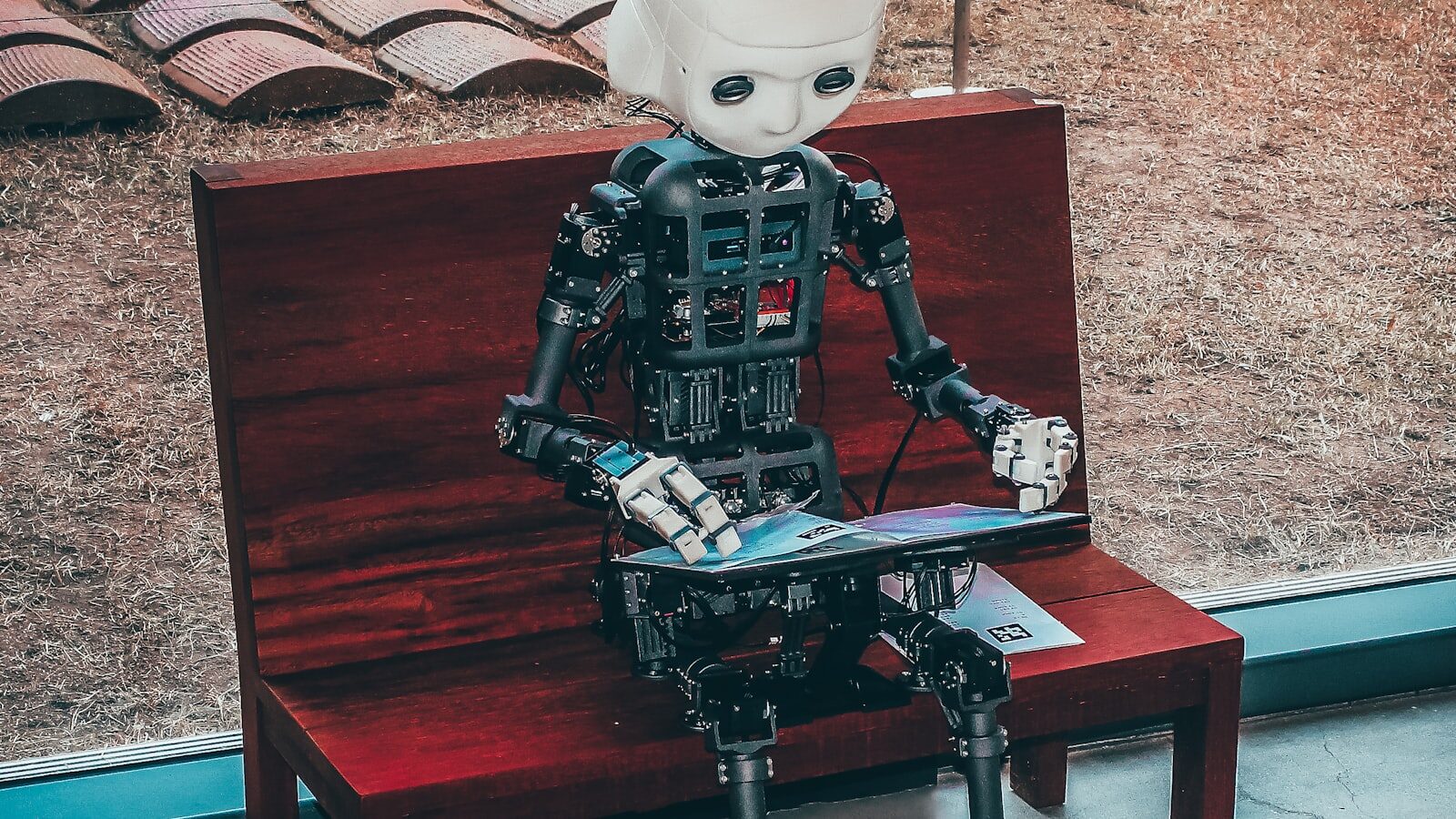
AI has upended IP balances. An image Midjourney generates in seconds may be original, but who owns it? This is a question regulations have not definitively answered, and Saudi companies need a clear position today.
The Prevailing International Stance
United States: content fully generated by AI without creative human contribution = no copyright (U.S. Copyright Office 2023 decision).
European Union: 2024 AI Act requires disclosure of generated content but does not define its ownership.
China: Beijing courts granted copyright to an AI-generated image when the user proved "sufficient creative contribution" in the prompt.
Saudi Arabia: no explicit legislation yet. By analogy to the general rule: a "human author" is required for protection.
How Saudi Law Likely Treats the Situation
Under traditional logic: content fully generated by AI without human contribution = unprotected. Anyone can copy and use it.
However: content combining AI with substantial human contribution (advanced prompt engineering, post-generation editing, multi-iteration selection and arrangement) = may be protected as a joint work.
Risks for Saudi Companies
A company using AI to generate marketing content = cannot stop competitors from copying it.
A company using AI to generate code = same problem. The code may not be protected at all.
A company claiming ownership of fully AI-generated content = may face later claims from the AI companies themselves (OpenAI retains certain rights in outputs).
Practical Recommendations
First: any important content must pass through a documented human editing stage (dates, edited-version copies) to prove "human contribution."
Second: review the tool's terms of use. OpenAI, Anthropic, Midjourney have different policies on output ownership.
Third: do not rely on AI-generated content for core assets (logo, primary marketing copy). Use it for secondary, replaceable content.
What Lies Ahead?
Explicit Saudi and Gulf legislation is expected in 2026–2027 to cover the AI/IP gap. Smart companies build internal policies today rather than wait for the law.
At Rights we help clients build an "internal AI usage policy" covering: what may be generated, how human editing is documented, who owns the final output.
Related articles


Ready to register or protect your assets?
Get in touch — your first consultation is free.
Contact via WhatsApp Email Us